

Explore the Early Cartridge Age
The Lefaucheux Archive
Explore firearms, ammunition, documents, patents, photographs, artwork, packaging, trade material, and related artifacts from the early cartridge age. Centered on Lefaucheux and pinfire history, the archive also documents the wider French and European developments that shaped modern ammunition and cartridge arms.
Members also receive access to the Jean Samuel Pauly Archives, a focused research collection on Pauly-system arms, early breech-loading experiments, and the technical world that helped shape later cartridge development.
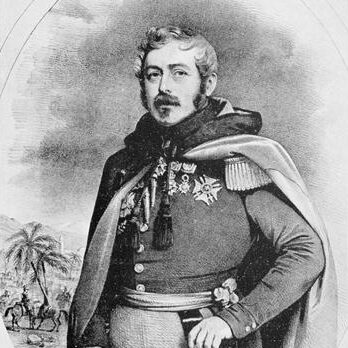
General Marie-Théodore de Rumigny
“Compelled by my duty to deal with firearms, my taste for hunting has led me to seek out the invention that offered me the most certain advantages. I declare that after numerous trials, Mr. Lefaucheux’s gun, with the base applied to cartridges, has seemed to me the most perfect of those that have been invented to this date.”
Paris, November 17, 1834.
Aide-de-camp to the king.

The Lefaucheux Legacy: A Timeline of Innovation
Trace the pivotal milestones in the life of Casimir Lefaucheux, from his birth to his groundbreaking contributions to firearms technology, unfolding a legacy of ingenuity.
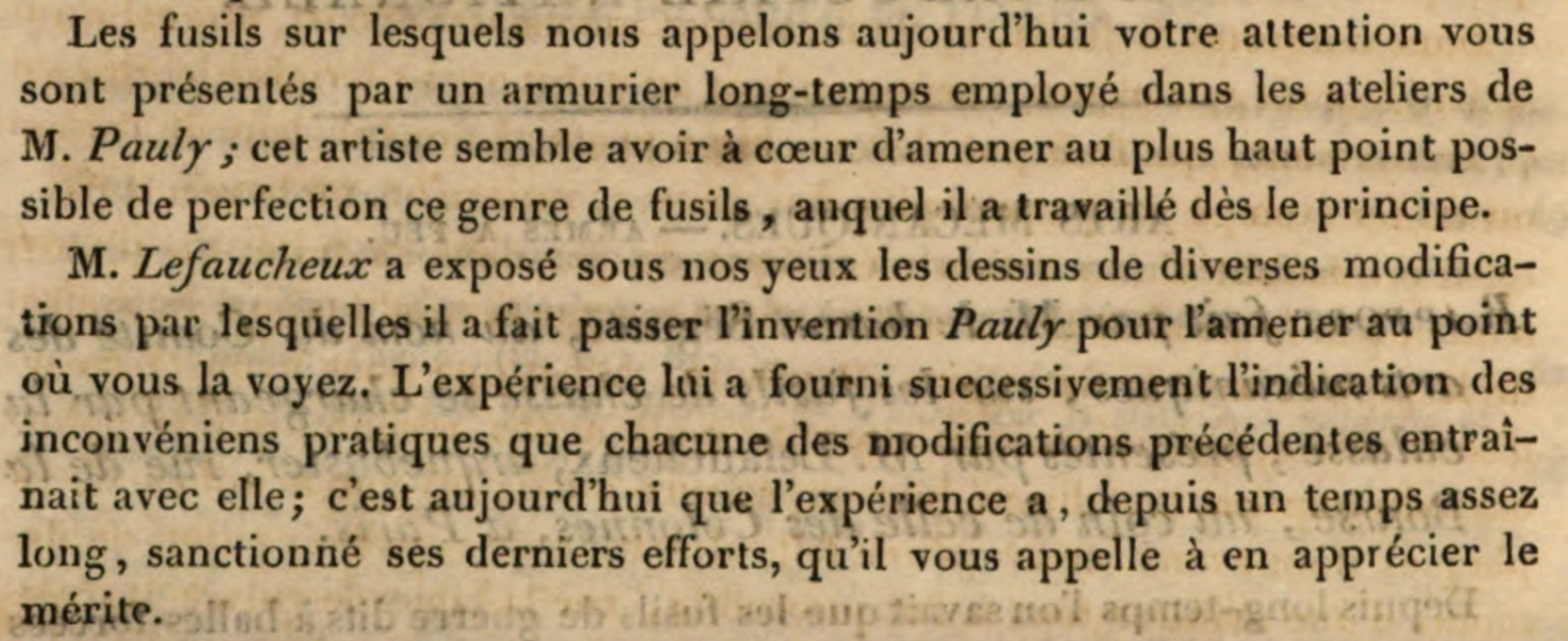
The exact timing of Casimir Lefaucheux’s apprenticeship initiation at the Pauly workshops is not documented. Typically, during that historical period, apprenticeships began at ages 12 to 14. Pauly left his French operation for England in early 1814, so it’s possible that Lefaucheux could have apprenticed under Pauly himself or started later when Henri Roux took the helm.
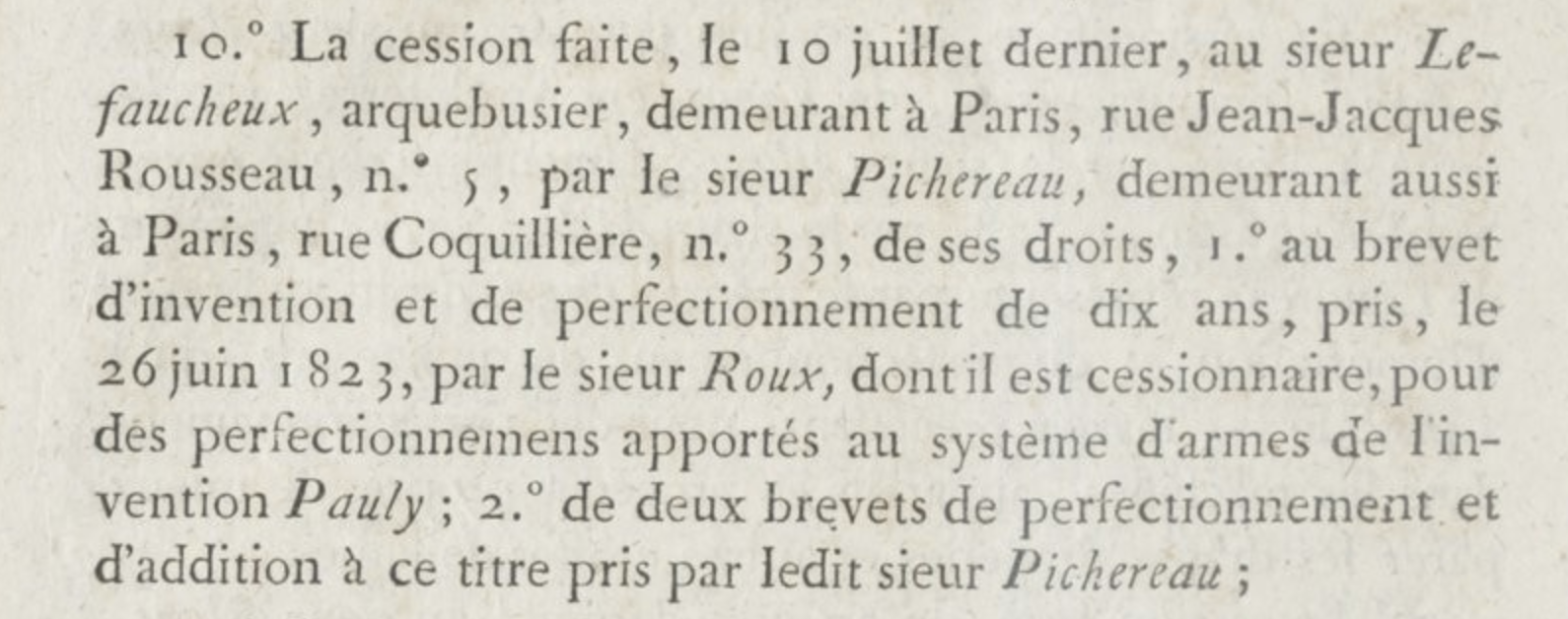
Charting a new course in firearm history, Casimir Lefaucheux purchased the Pauly company and its patents from Eugène Picherau. This strategic move not only transferred Pauly’s innovative breechloading system to Lefaucheux but also positioned him at the forefront of the firearm industry’s evolution
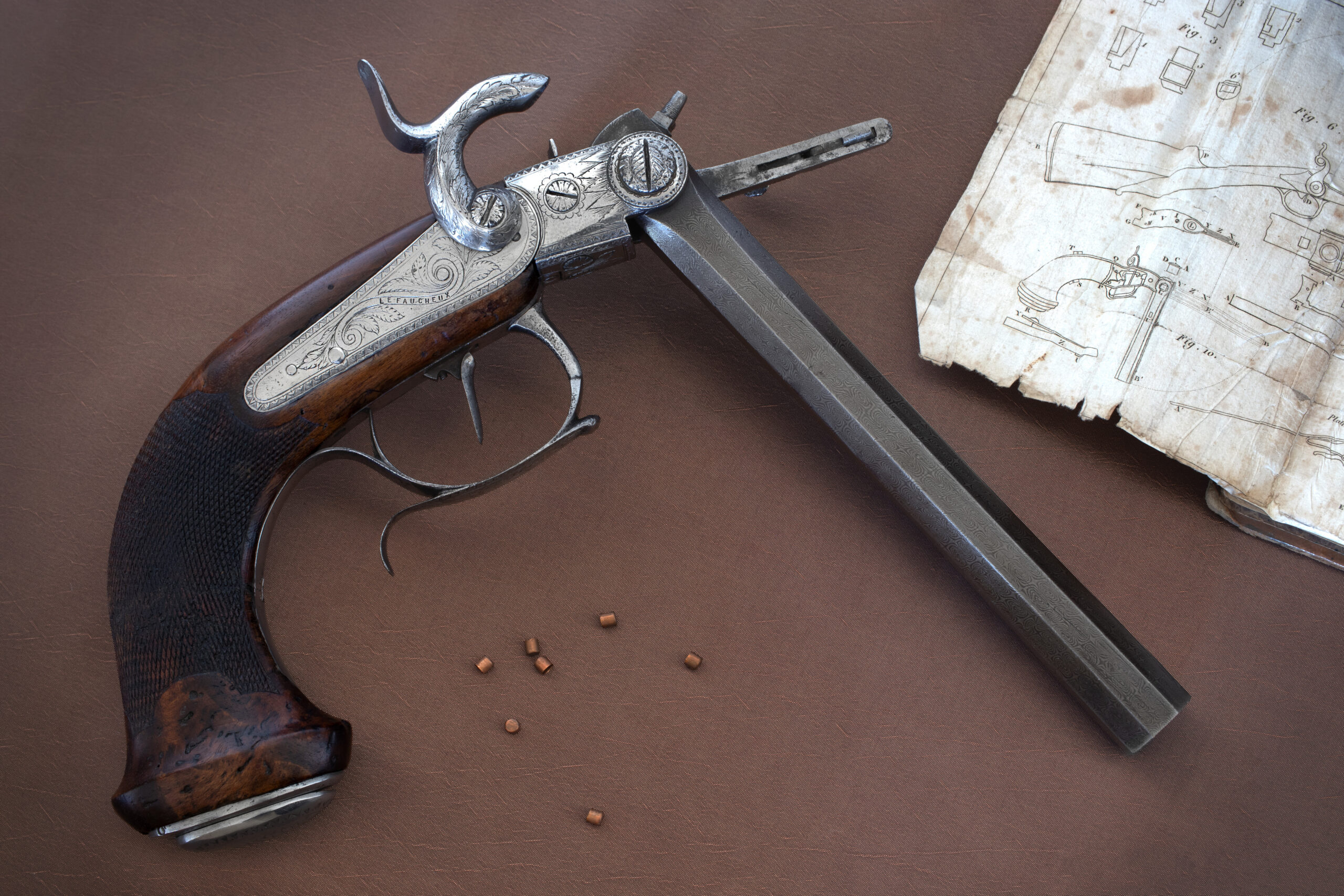
In a melding of innovation and tradition, Casimir Lefaucheux crafted his first percussion pistol, an ingenious adaptation of the Pauly breechloading system. This firearm marked a pivotal moment in gunsmithing, setting the stage for Lefaucheux’s lasting impact on firearm design.
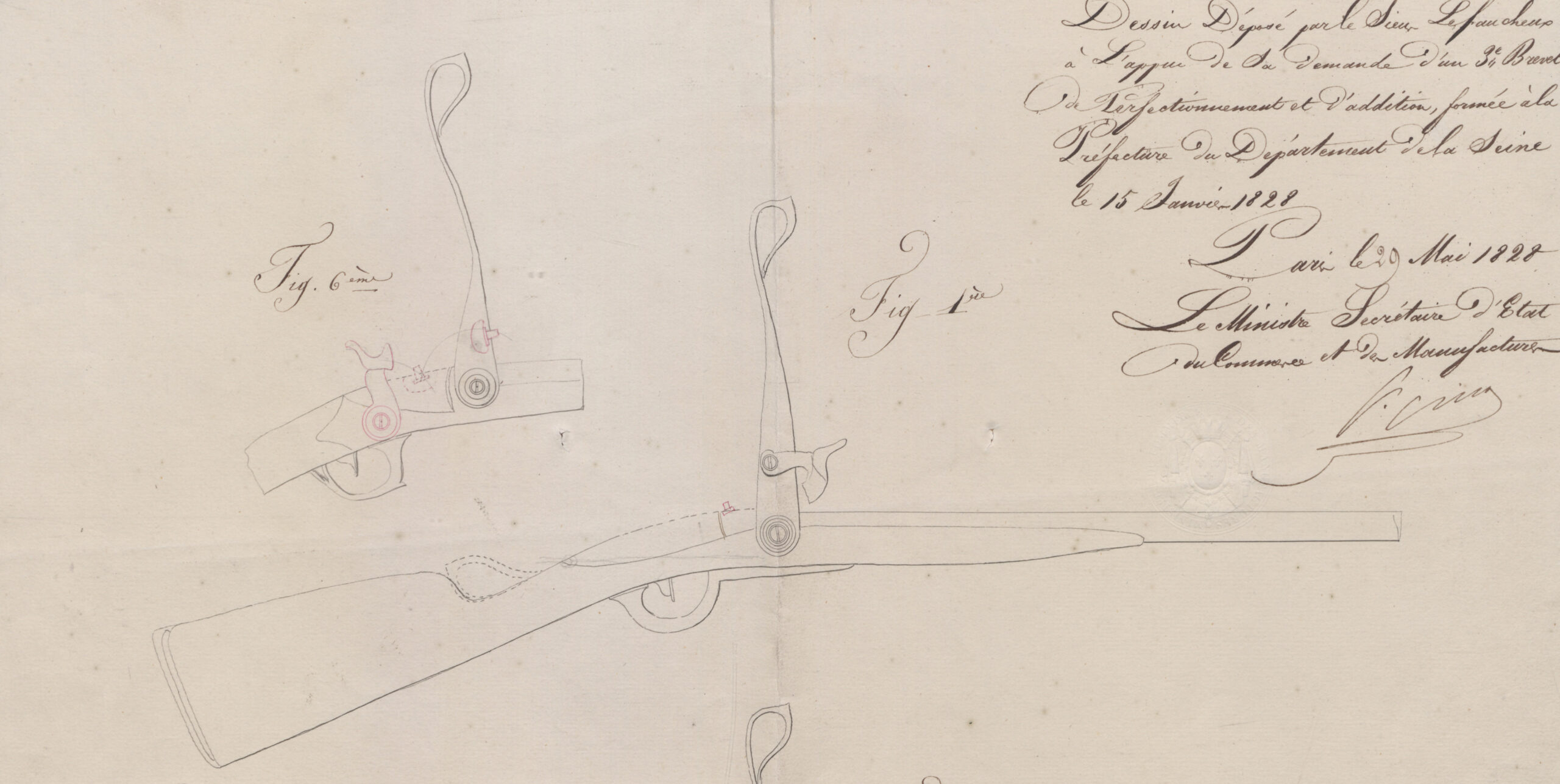
Casimir Lefaucheux’s first patent, No. 3590 from 1828, represents his early efforts to streamline Samuel Pauly’s firearm system. This third addition focused on simplifying the breech mechanism by eliminating non-essential parts, aiming to improve the practicality and reliability of the design.
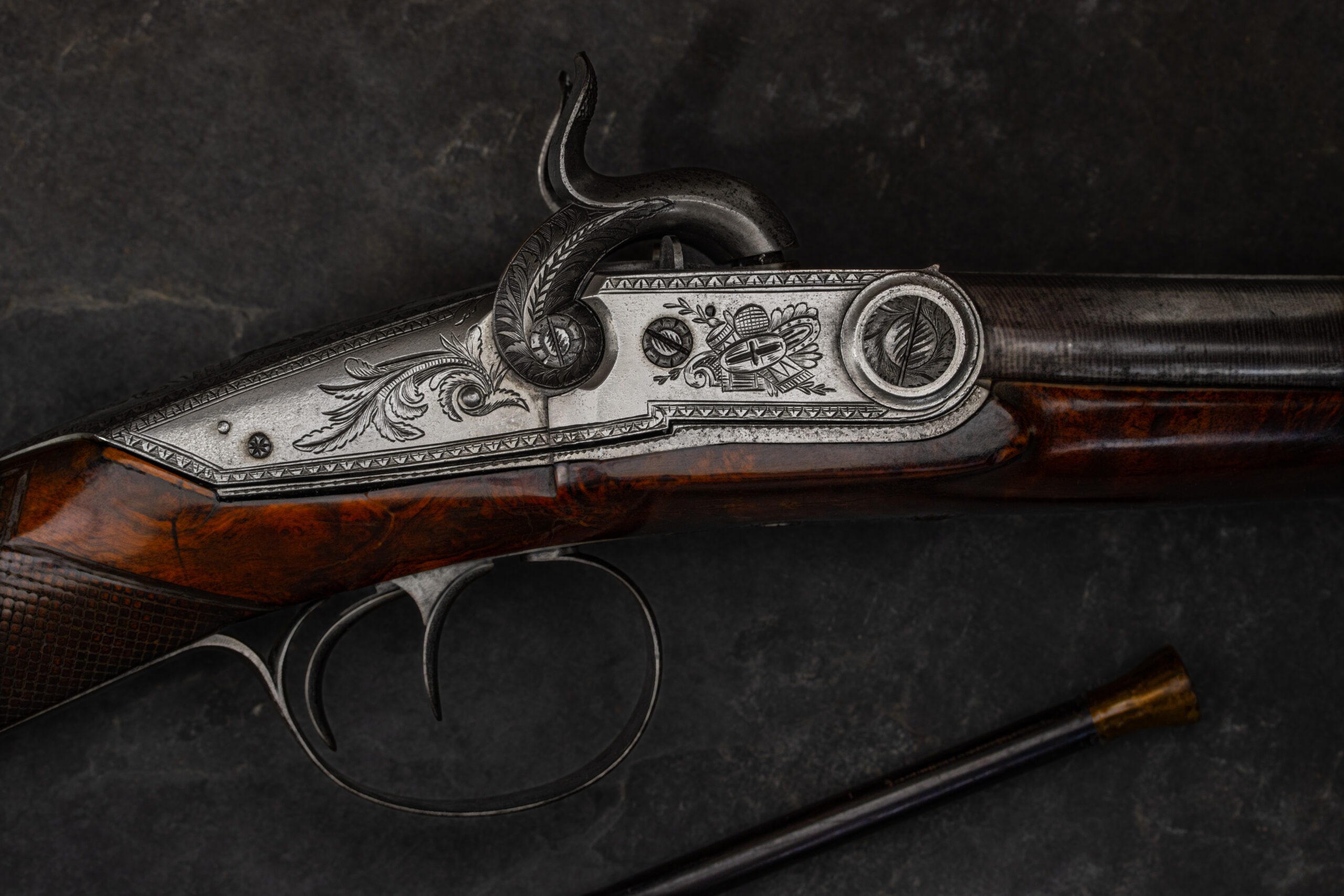
Postdating his initial patent, Casimir Lefaucheux unveiled his first shotgun, a testament to his evolving craftsmanship. Integrating the refined Pauly breech-loading system, this early firearm exemplified his skill in enhancing practicality and reliability in shooting sports.
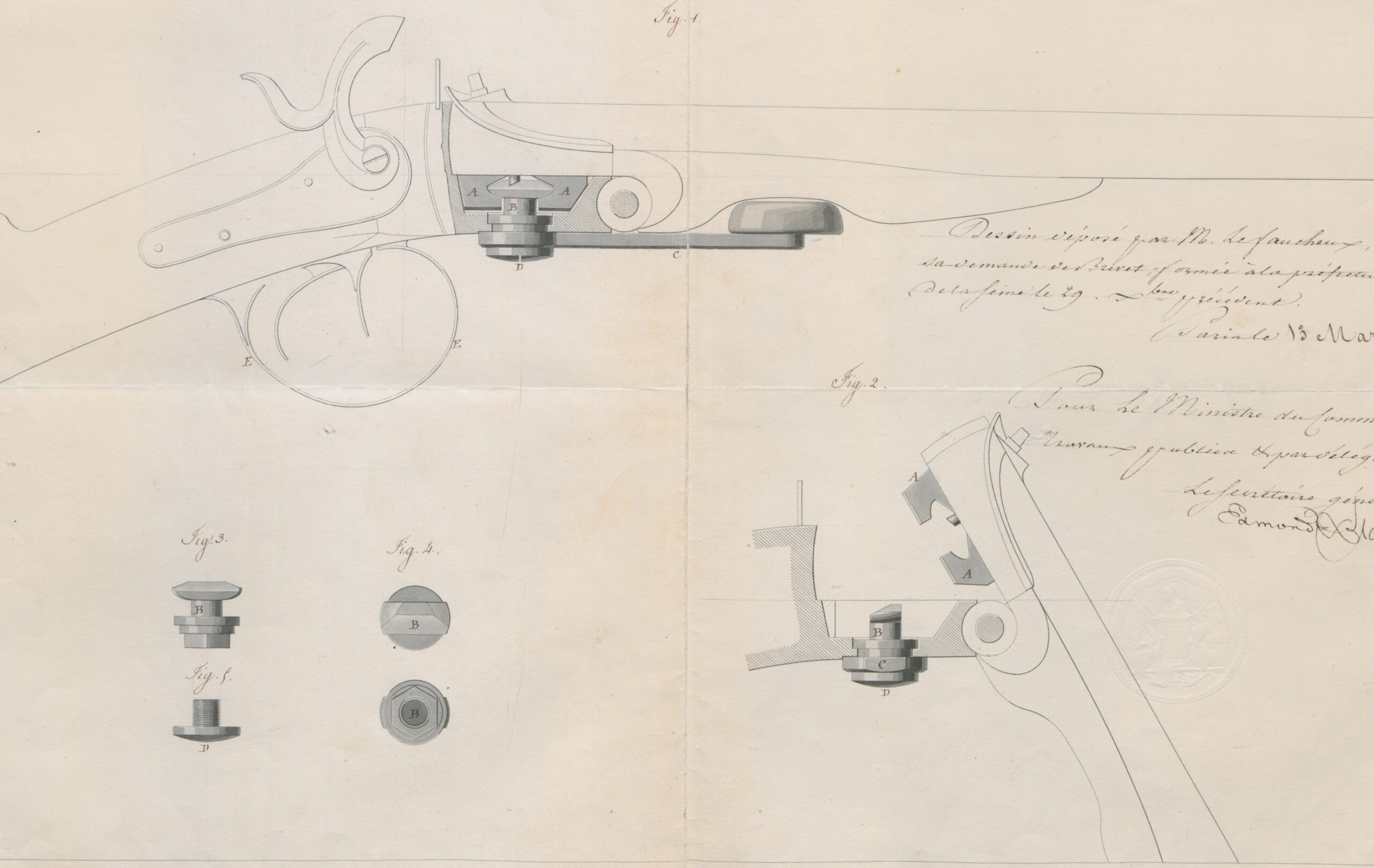
Casimir Lefaucheux’s breech-loading firearm patent introduced a transformative loading mechanism, enhancing both the speed and safety of firearms. His pioneering design featured a pivoting barrel, setting a new benchmark for firearm efficiency and reliability.
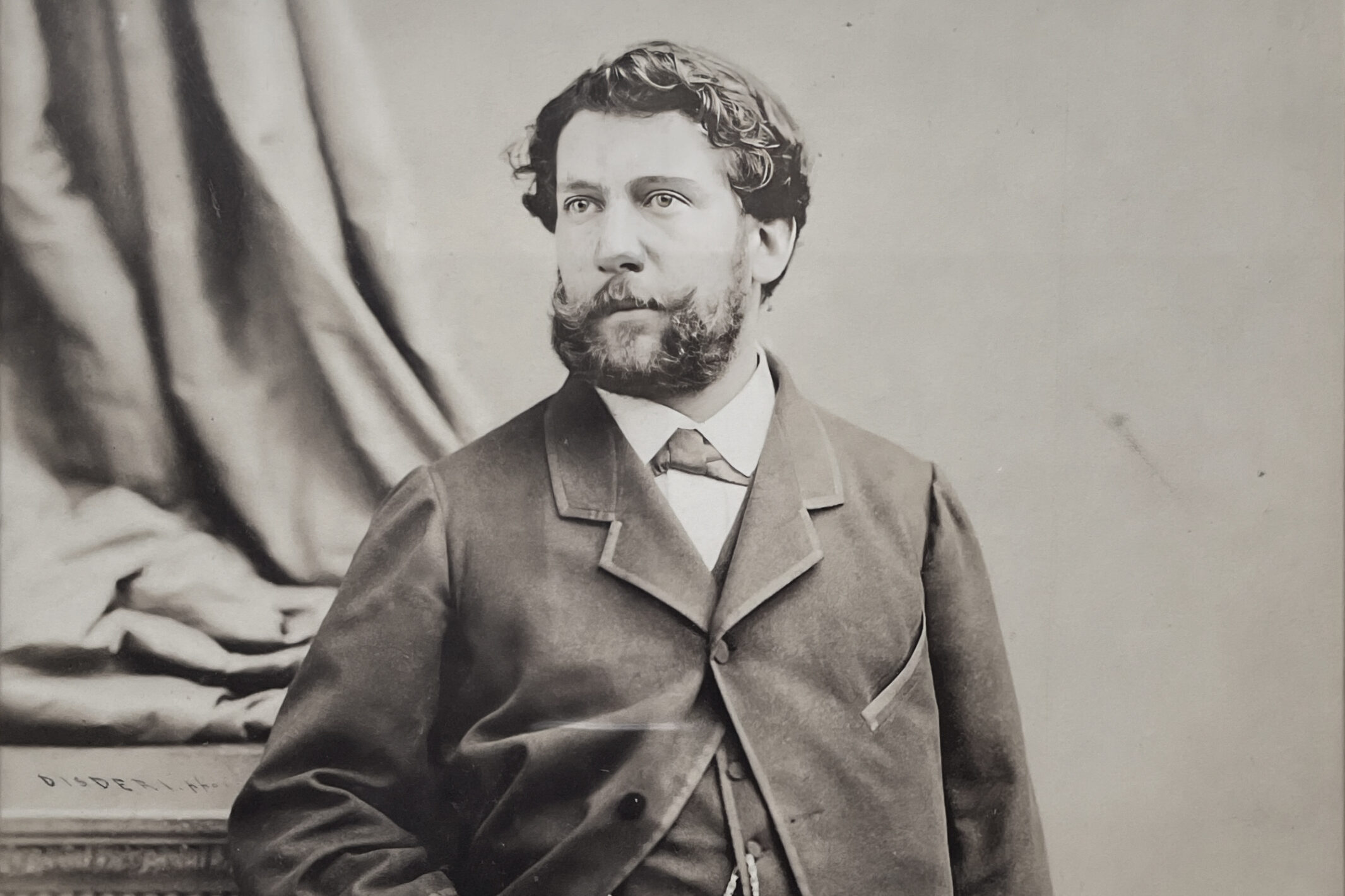
The legacy of innovation continued with the birth of Eugène Lefaucheux, Casimir’s son, poised to uphold and advance the family’s esteemed place in firearm history.
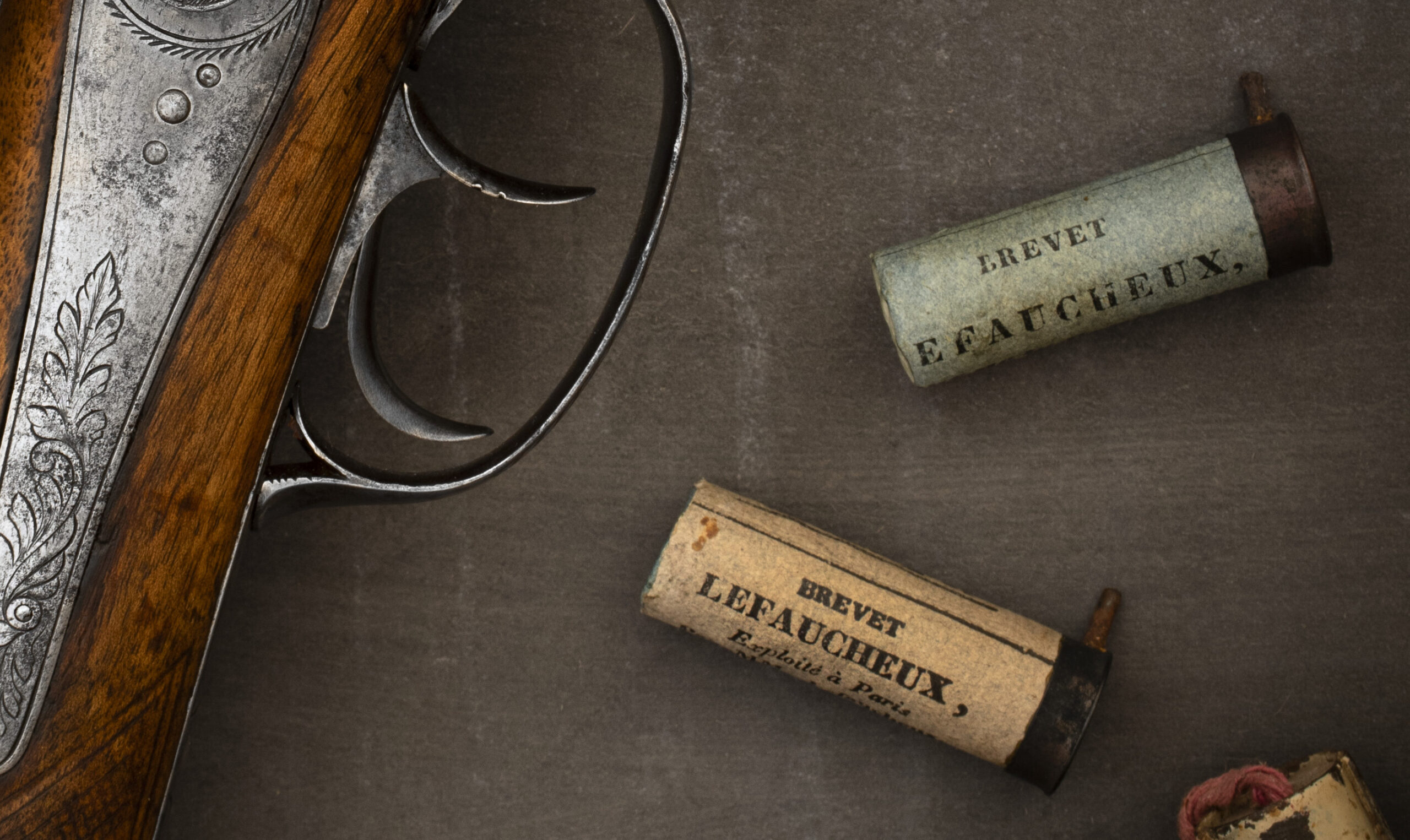
Casimir Lefaucheux’s 1835 patent laid the groundwork for modern ammunition with the pinfire cartridge system. This invention streamlined the firing process by integrating the primer into the cartridge, featuring a striking pin for rapid ignition. A milestone in firearms, it significantly advanced the efficiency and safety of loading and shooting mechanisms.
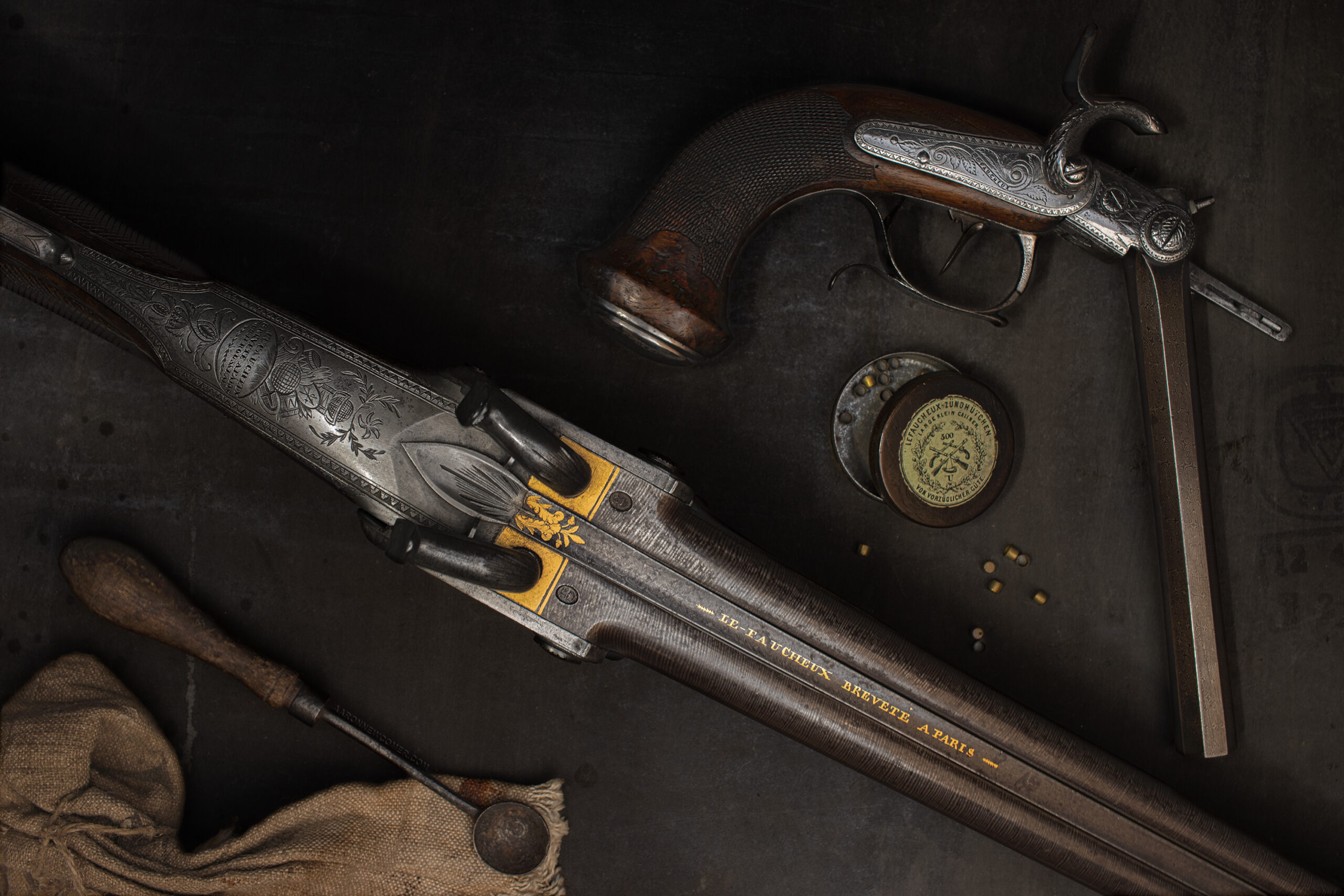
Casimir Lefaucheux: The Foundation of Innovation
Eugène Lefaucheux: Advancing the Legacy
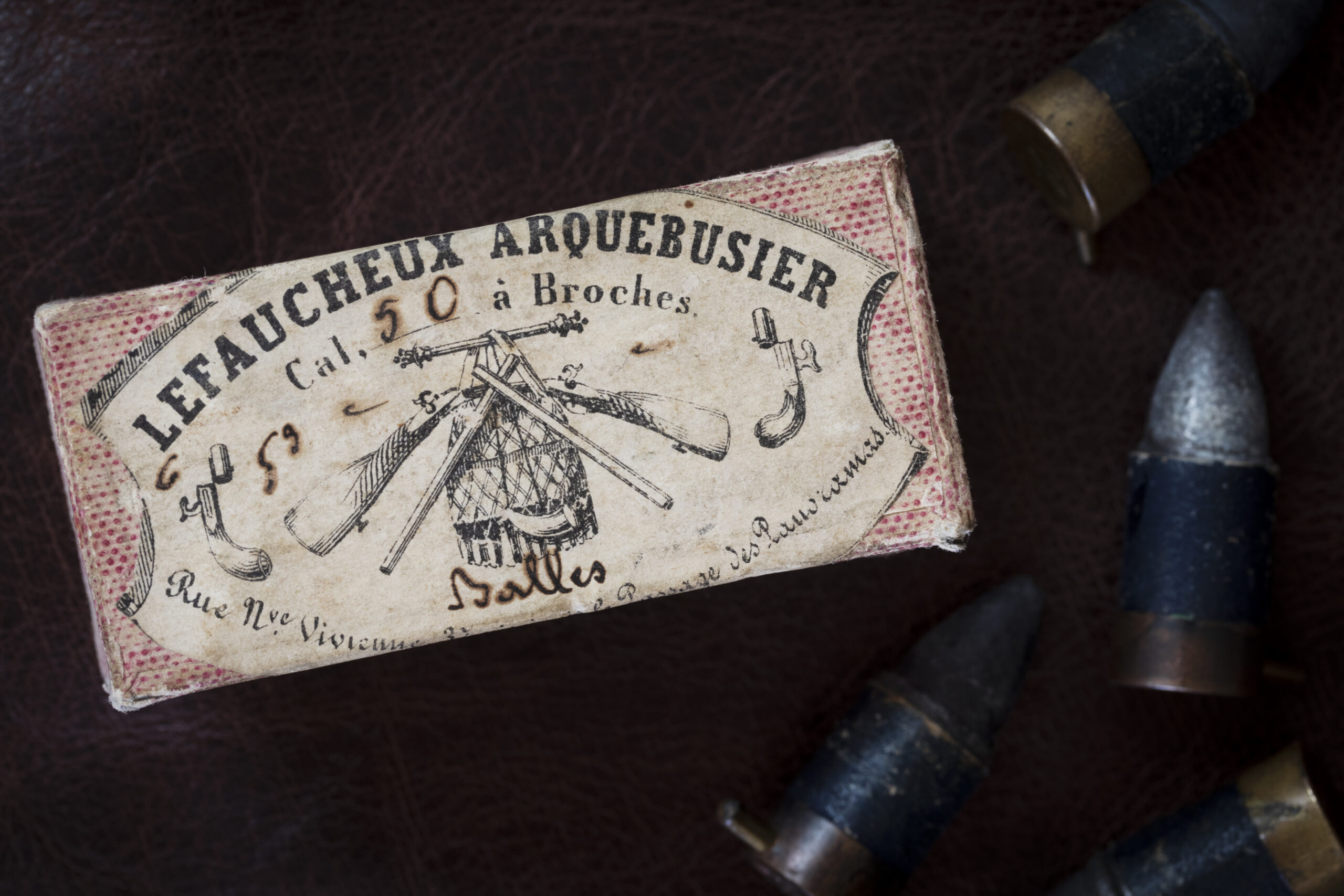
Pinfire Ingenuity: The Lefaucheux Mechanism Unveiled
The Lefaucheux Museum
The Lefaucheux Museum preserves and shares the early history of cartridge firearms. Built around an exceptional collection of early arms, ammunition, documents, photographs, artwork, and related artifacts, the museum explores the French and European innovations that shaped the development of modern ammunition and cartridge arms.
Rooted in Lefaucheux and pinfire history, the museum places these artifacts within the wider early cartridge age, including experiments in ammunition, ignition, breech-loading, manufacture, sporting use, military adoption, and visual culture.
Explore the Early Cartridge Age
Through digital exhibits, archive records, research articles, and collection photography, the museum documents how these technologies were invented, made, sold, used, and understood in the 19th century.

Support Our Work
Help preserve rare arms, ammunition, documents, photographs, artwork, and related artifacts from the early cartridge age through photography, digitization, research, digital exhibits, archive access, and long-term preservation.

Join the Museum
Members help sustain the museum’s research, digital archive, collection records, articles, videos, educational resources, and access to specialized archive material, including the Jean Samuel Pauly Archives.

Research & Education
The museum supports research into Lefaucheux, pinfire technology, early cartridge arms, ammunition, and related European developments through studies, articles, videos, and digital exhibits.

Articles & Research
Read articles, collection studies, research notes, videos, and museum updates exploring the people, objects, documents, and innovations that shaped the early cartridge age.

Archival Access
Explore firearms, ammunition, documents, patents, invoices, photographs, advertisements, packaging, artwork, and selected research collections, including the Jean Samuel Pauly Archives.
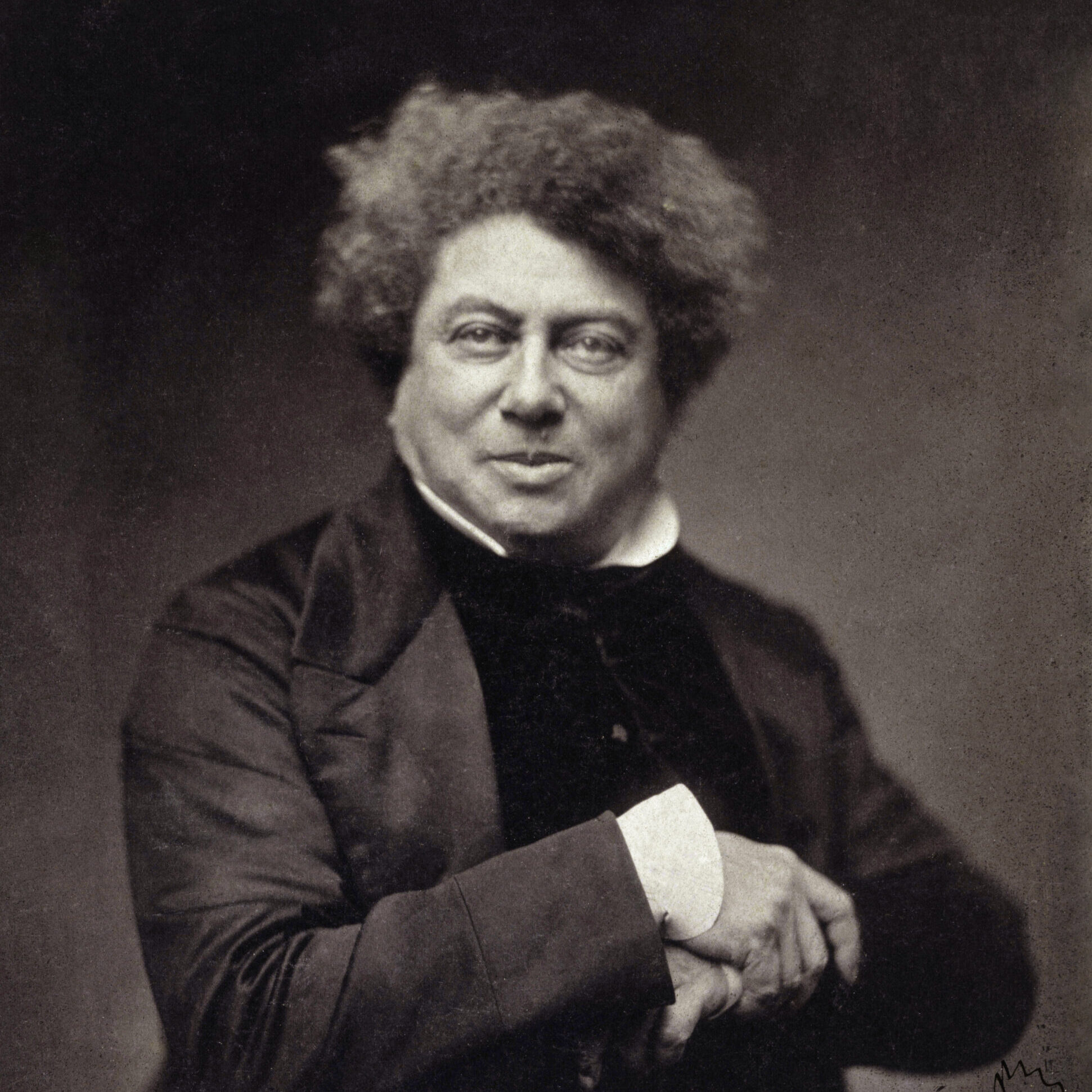
Alexandre Dumas
“I have bought from Mr. Lefaucheux a carbine and a gun; besides the advantages of a quick loading, I have found in them a more accurate and longer range, especially with bullets. The carbine, much less heavy, much easier to load than the Swiss carbines, has given me in two or three Cantons, over the shooters of these cantons, an advantage that I attribute entirely to the superiority of the system.”
Alexandre Dumas,
Man of letters.
(Author of The Count of Monte Cristo, The Three Musketeers, etc)

Period Testimonials
Period testimonials help show how Lefaucheux arms were received by hunters, officers, and public figures in the 19th century. These accounts give useful context for how the guns were judged in their own time, especially for convenience, safety, handling, and performance.
I have also been using Mr. Lefaucheux’s guns for a long time, and I have always been satisfied with them; but the new improvements that this weapon has received make it even more convenient and leave nothing more to be desired, even in terms of lightness and elegance.
F. Nicod, deputy.
For more than five years that I have been using Mr. Lefaucheux’s gun, I have only had praise for it in all respects; I do not see what could be invented that is better and more convenient in this category, especially since the improvement made to this weapon by means of the bases added to the cartridges, which gives it more range, and prevents any kind of spitting.
Count Lanjuinais, peer of France
For thirty-five years that I have been hunting, I have had guns from Paris, Versailles, Maubeuge, and Saint-Étienne; I have used all systems, but, as a great hunter and arms enthusiast, I must say that Mr. Lefaucheux’s gun is, to date, the best I have seen; it is very quick to load, the safest and the most convenient for all kinds of hunting.